
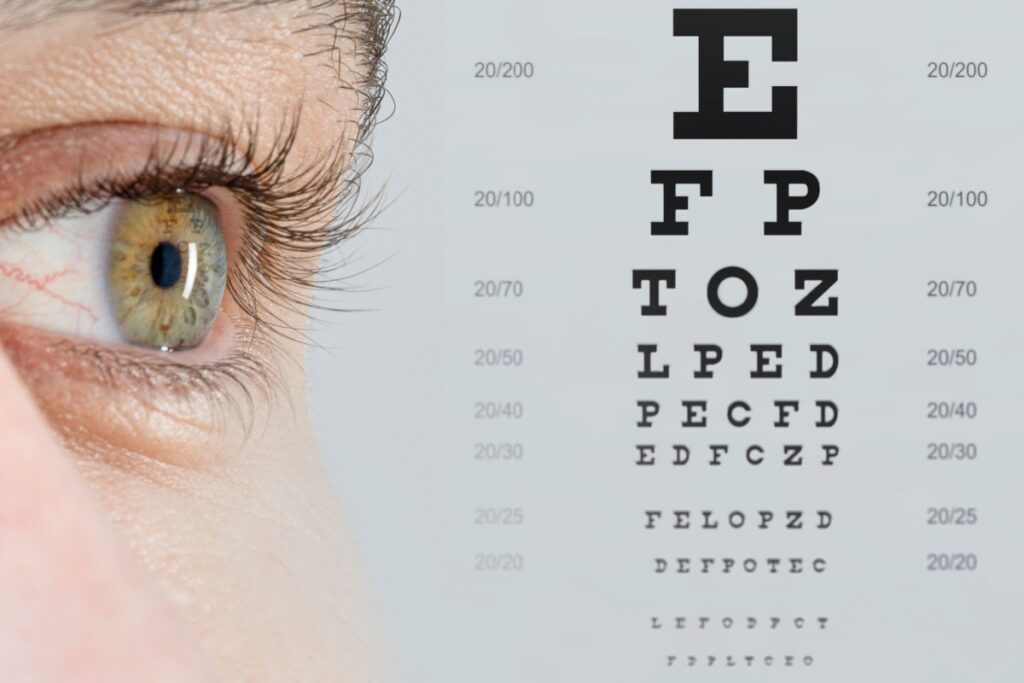
You read the eye chart perfectly at your last visit, so you might think your eyes are in great shape. After all, if you can see clearly, what could possibly be wrong? This common assumption leads many people to skip their annual eye exams, believing that good vision equals healthy eyes. Total Vision Bonita sees many patients who discover hidden eye problems despite having perfect distance vision.
Annual eye exams remain important even with 20/20 vision because many serious eye conditions develop without symptoms, and perfect distance vision only measures one aspect of your overall eye health. Your eyes can harbor hidden problems that threaten your sight long before you notice any changes in your vision. Understanding the importance of comprehensive eye care helps protect your vision for the future.
Hidden Eye Problems You Can’t See or Feel
Your eyes can develop serious conditions that cause no pain, blurred vision, or other obvious warning signs. These silent threats often progress for years before you notice any symptoms, making early detection through regular exams your only defense.
Early glaucoma damages your optic nerve gradually, stealing your peripheral vision so slowly that your brain compensates for the loss. By the time you notice blind spots, you may have already lost significant vision that can’t be restored. The disease often affects both eyes at different rates, making it even harder to detect on your own.
Diabetic retinopathy develops when high blood sugar damages the tiny blood vessels in your retina. You can maintain crystal-clear central vision while this damage spreads throughout your eye. The condition can progress to various stages before affecting the vision you use for reading or driving.
Macular degeneration begins with subtle changes in your central retina that don’t immediately impact your ability to see the eye chart. You might maintain 20/20 vision while the disease slowly affects your ability to see fine details, recognize faces, or read small print.
What 20/20 Vision Actually Means & Its Limits
Your Visual Acuity Is Just One Piece
The familiar eye chart test measures only your ability to see black letters on a white background at a specific distance. However, a distance vision test tells you nothing about how well your eyes work together, track moving objects, or see colors accurately.
Your peripheral vision extends far beyond what any eye chart can measure. You might read every line perfectly while having significant blind spots in your side vision. These gaps in your visual field can affect your safety while driving or walking, even though your straight-ahead vision remains sharp.
Color vision problems often go undetected because you’ve learned to compensate for them throughout your life. You might call a traffic light “red” when it actually appears brown to your eyes, never realizing that your color perception differs from others around you.
Other Vision Skills Matter Too
Your eyes must work together as a coordinated team to create the single, clear image you see. When this teamwork breaks down, you might experience double vision, eyestrain, or headaches while still performing perfectly on the standard vision test.
Depth perception helps you judge distances accurately, from parking your car to catching a ball. Problems with depth perception can develop gradually and affect your daily activities long before they impact your ability to read the eye chart.
Your eyes need to shift focus smoothly between near and far objects throughout the day. When this focusing flexibility declines, you might struggle with computer work or reading while still maintaining good distance vision during your exam.
Eye Health Changes You Won’t Notice
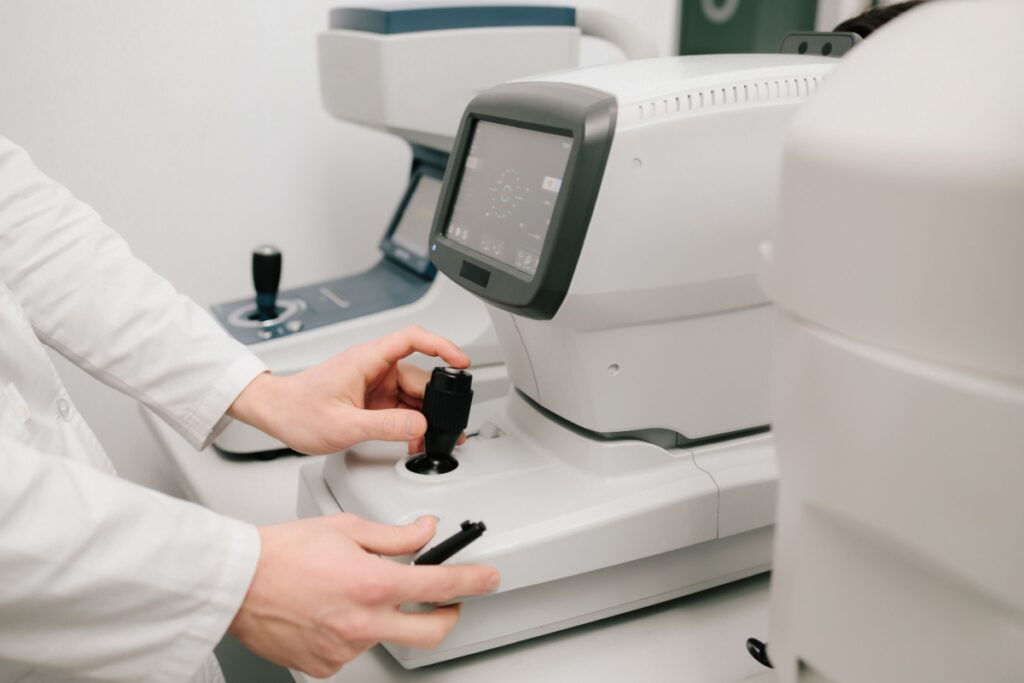
The pressure inside your eyes can increase gradually without you feeling any discomfort. You won’t feel this change, but elevated pressure can damage your optic nerve over time. Regular tonometry measurements during your eye exam can detect these increases before they lead to permanent harm.
Your retina contains millions of light-sensitive cells that can become damaged or die without initially affecting your central vision. These changes often begin in the outer edges of your retina, where they won’t interfere with your ability to see the eye chart clearly.
The blood vessels in your eyes reflect the health of blood vessels throughout your body. Changes in these tiny vessels can signal developing problems with your blood pressure, cholesterol, or blood sugar levels before you experience symptoms elsewhere. Thorough diagnostic testing helps detect these early warning signs.
Age-Related Vision Changes Start Earlier Than You Think
Your 30s & 40s Bring Subtle Shifts
Your near vision begins changing in your late 30s as the lens in your eye becomes less flexible. You might hold your phone farther away to read text messages or need brighter light for close work, even though your distance vision remains perfect.
Dry eye symptoms often develop gradually as your tear production changes or the quality of your tears declines. You might attribute occasional irritation to allergies or screen time without realizing that your tear film needs attention.
Your eyes may become more sensitive to bright lights or glare as changes occur in your lens and cornea. These shifts can affect your comfort and vision quality without showing up on a standard visual acuity test. Using the 20-20-20 rule can help reduce digital eye strain during these transitional years.
Children Need Regular Checks Too
Learning difficulties sometimes stem from undetected vision problems that don’t affect a child’s ability to see the eye chart. Problems with eye tracking, focusing, or visual processing can affect reading and academic performance even when distance vision remains normal.
Myopia progression monitoring helps track how quickly nearsightedness develops in children. Traditional methods of correcting myopia, such as single-vision lenses, focus light directly on the retina. However, when the lenses shift the focal point back, peripheral vision focuses on a point behind the retina.
Eye alignment can change as children grow, leading to problems with depth perception or double vision. These changes might not be obvious during daily activities, but can affect sports performance, reading comfort, or attention in the classroom. Regular pediatric eye exams help catch these issues early when treatment is most helpful.
How Often to Schedule Your Eye Exam
Timeline Based on Your Age
Children benefit from eye exams every year to catch vision changes during important developmental periods. Their eyes and vision systems continue to develop through their teenage years, making regular monitoring important for academic success and overall development.
Adults between 18 and 39 can typically schedule comprehensive exams every year, even if they have no risk factors or vision concerns. This frequency enables early detection of common conditions while accounting for relatively stable vision during these years.
Adults over 40 should also consider annual eye exams as age-related changes accelerate. The risk for glaucoma, macular degeneration, and other sight-threatening conditions increases significantly during these years, making more frequent monitoring valuable.
When to See Your Eye Doctor in Bonita Sooner
A family history of eye disease increases your risk of developing similar conditions, often at younger ages than typical. Regular monitoring can help detect inherited conditions such as glaucoma or macular degeneration before they cause noticeable symptoms.
Diabetes and high blood pressure affect your eye health even when these conditions are well-controlled. Annual exams help monitor for diabetic retinopathy, blood vessel changes, and other complications that can develop without warning signs.
Frequent headaches or eye strain might indicate vision problems that don’t show up during basic vision screenings. Computer work, reading difficulties, or unexplained fatigue can sometimes be traced to subtle vision issues that comprehensive testing can identify.
Book Your Next Eye Exam
Your vision and eye health deserve attention even when everything seems fine. The team at Total Vision Bonita can help you maintain healthy eyes and clear vision through comprehensive exams tailored to your specific needs. Schedule your next eye exam to protect your sight for years to come.