

You step into a dark movie theater from a sunny afternoon. For a few moments, you stumble around looking for an empty seat. You grab a handful of popcorn, but can barely see the person sitting next to you. This happens because your eyes need time to shift from bright daylight to a completely different environment. Your eyes adjust to darkness by opening your pupils wider to let in more light, while special cells in your retina switch from detecting colors to sensing dim shapes.
Our team at Total Vision Bonita understands that this transition can feel slow when you wait in the dark. A closer look at the process reveals a highly coordinated effort inside your vision system. Understanding this natural change and seeking comprehensive eye care helps you protect your sight around the clock.
Key Takeaways
- Your pupils open wider to gather more light in dark spaces.
- Special cells in your retina switch jobs to help you see shapes instead of colors.
- Full adjustment to darkness can take up to 45 minutes.
- Lower screen brightness at night to support your vision.
- A thorough eye exam can identify hidden conditions early.
The Basics of Night Vision and Low Light
Your eyes rely on light to function properly. You typically can’t see the chair in your bedroom or the dog on the floor in complete darkness. However, a small amount of moonlight from a window provides enough illumination for your eyes to get to work.
Your vision system automatically adapts to gather whatever light is available in the room. The process happens without you even thinking about it. This natural adjustment helps you navigate unfamiliar spaces safely when the sun goes down. A healthy visual field allows you to rely on your side vision to avoid tripping over objects in dim rooms.
How Parts of Your Eye Work Together
The Role of Your Pupils
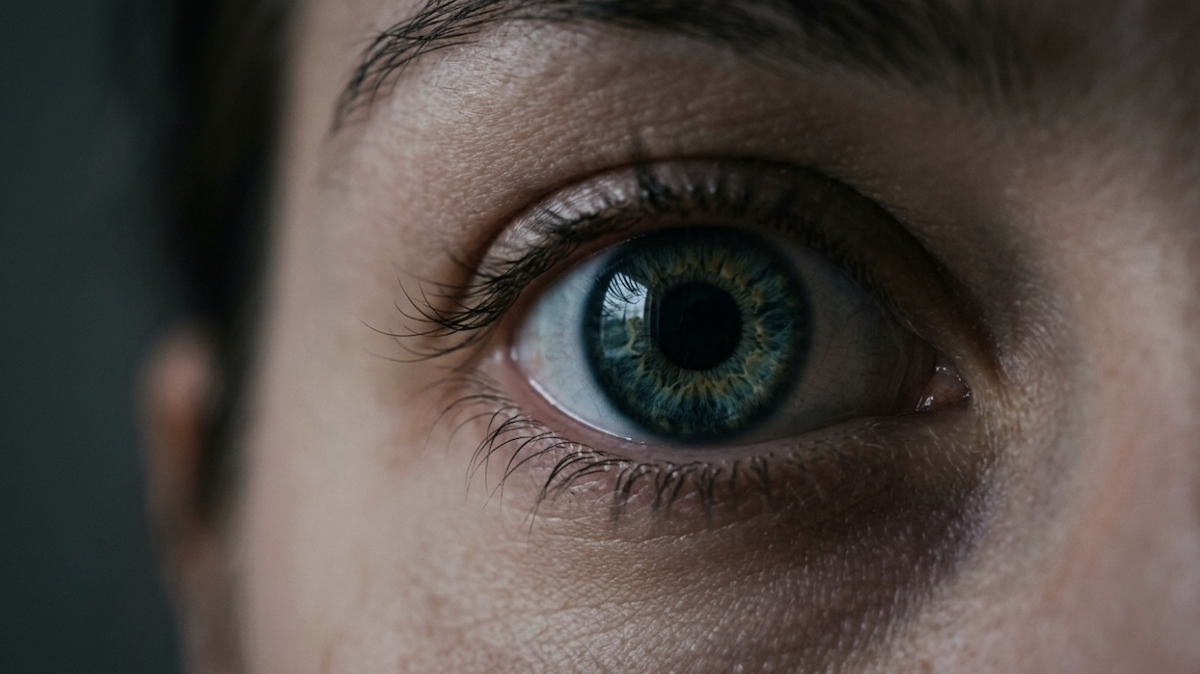
Your pupils act like a window for your vision. Just like drops used during a dilated eye exam, your pupils open wider naturally in dim settings to let more light reach the back of your eye. This size change happens rapidly when you flip off a light switch.
The rapid expansion gives your visual system an immediate boost in light-gathering. You might notice this if you look in a mirror with only a tiny nightlight on. The dark circles in the center of your eyes look huge compared to their daytime size.
Rods and Cones in Your Retina
The back of your eye features 2 types of special sensors along the retina. Cones thrive in bright sunshine and help you see vibrant colors like a red stop sign. Rods take over the heavy lifting when the sun sets.These rod cells specialize in detecting shapes and movement in dim light. Your visual system switches between cones and rods automatically based on your environment. Regular care helps manage eye diseases that can damage these delicate cells.
How Long Does the Adjustment Take in the Dark?
The process of adapting to a dark space happens in specific stages. Your visual system follows a steady timeline to reach full night vision.
- Your pupils expand rapidly the moment the lights go out.
- Your cone cells adapt to the darkness in about 5 minutes.
- Your rod cells take 30 to 45 minutes to reach their maximum sensitivity for true night vision.
You might feel impatient waiting for your vision to clear up in a dark room. Giving your eyes this full time to adjust helps you see much more detail in the shadows. Changes in this timeline can be an early sign of aging eyes, so pay attention to how quickly you adapt.
Ways to Protect and Support Your Night Vision
Helpful Habits for Low Light
Your nightly routine can make a big difference for your vision. Lower the brightness on your phone or tablet before bed so your eyes don’t struggle in the dark. Taking breaks from glowing screens helps prevent digital eye strain and makes it easier for your rod cells to activate properly.
Look away from bright lights, such as oncoming headlights, if it’s safe to do so while driving at night. You can also close your eyes briefly before walking from a bright hallway into a dark room. This simple trick gives your pupils a head start on expanding.
Daytime Protection for Better Night Sight
Protecting your eyes during the day directly benefits your night vision. Wear protective sunglasses with a dark grey tint when you spend time outside in the sun. Too much bright sunlight exposure can make it harder for your eyes to adapt later that evening.
Eat foods rich in vitamin A, like carrots or sweet potatoes, to support your overall eye health. A healthy diet gives your retina the nutrients it needs to build strong rod and cone cells. Good daily habits help support clearer vision after sunset.
When to Visit an Eye Doctor in Bonita
Signs You Need a Checkup
Sometimes your eyes need extra support to function well in the dark. Pay attention to how clearly you see when the sun goes down. You should book an exam if you experience these signs:
- Trouble seeing white road lines while driving at night
- Difficulty navigating from bright spaces to dark rooms
- Frequent stumbling or bumping into furniture at dusk
- Blurry vision around streetlights or glowing signs
Our team can identify the root of these issues during a visit. Catching a problem early can make a big difference for your long-term eye health. A sudden loss of night vision can indicate a deeper issue that requires professional attention.
Preventive Care for Your Family
Regular visits help track any changes in your night vision over time. Your eye doctor can customize exams for your whole family to address specific concerns. A child needing their first eye exam requires a different approach than a senior struggling with night driving.
Take Care of Your Eyes
Modern eye care technology searches for hidden conditions that affect how well you see. A comprehensive eye exam checks the health of your retina and helps manage conditions that impact night vision. Total Vision Bonita provides complete care to keep your family seeing clearly day and night. Schedule an appointment today with an eye doctor in Bonita to protect your valuable sight.